Campaign Tracking Plan: UTM Links, Landing Pages, Reports
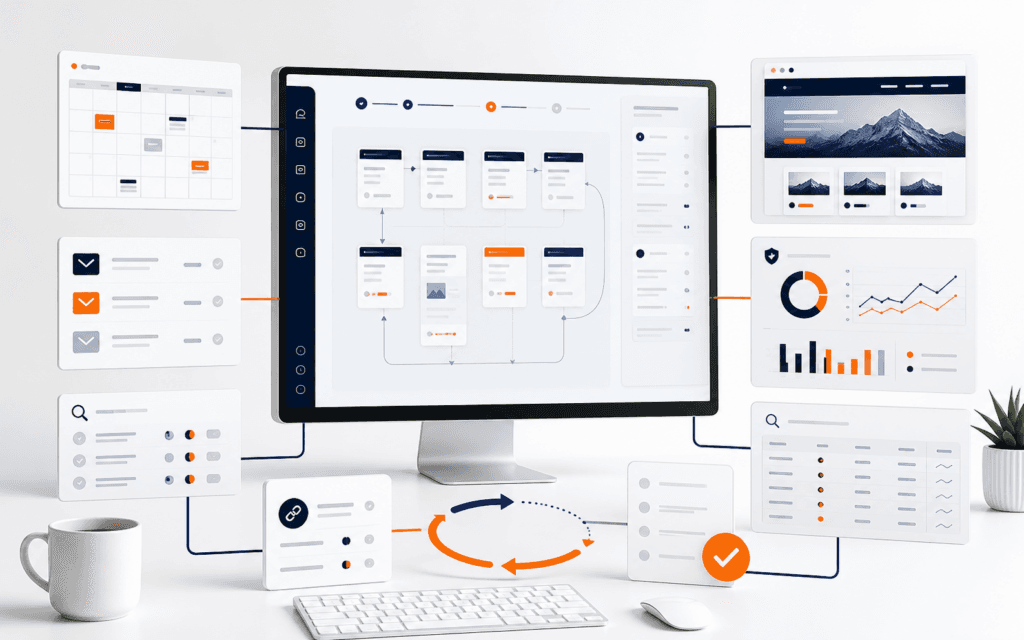
A campaign tracking plan connects marketing activity to evidence. Define the campaign goal, build clean tracking links, send traffic to the right landing page, and review results.


A campaign tracking plan connects marketing activity to evidence. Define the campaign goal, build clean tracking links, send traffic to the right landing page, and review results in a weekly report. Use the plan to diagnose and resolve the problem when traffic does not create enquiries, signups, sales, or learning-path progress. Without that structure, marketers may see traffic changes but still not know which campaign caused them.
Campaign tracking is not only for paid ads. It applies to social posts, email newsletters, WhatsApp promotions, partner links, QR codes, influencer mentions, and course launch campaigns. Any time a team wants to compare channels or messages, tracking should be planned before publishing.
The diagnostic habit is to compare the promise, link, landing page, and report in that order. If sessions arrive with no action, check whether the audience, page promise, or call to action is weak.
Define The Campaign Before Building Links
Start with the campaign purpose. A course awareness campaign, admissions enquiry campaign, webinar signup campaign, and blog promotion campaign need different success signals. If the goal is unclear, the report will become a pile of numbers without a decision.
Write one sentence that explains the campaign. Name the audience, offer or message, channel, landing page, and desired action. For example, a course campaign might target beginners interested in web design, promote a short workshop, send users to a course page, and measure enquiry clicks or form submissions.
Then choose the few numbers that matter. For awareness, sessions and engaged visits may be useful. For search growth, impressions and queries matter. For enquiry campaigns, contact actions matter more. The right metric depends on the page job.
This planning step protects the team from vanity reporting. A campaign with high traffic and no useful action may still need improvement. A campaign with lower traffic but strong enquiry quality may be more valuable.
Use UTM Links Consistently
Campaign URL parameters help analytics tools identify where campaign traffic came from. Google’s Campaign URL Builder supports adding campaign parameters to URLs for analytics tracking. The main idea is simple: use consistent source, medium, and campaign names so reports stay readable.
Create a naming convention before the first link goes live. Use lowercase words, hyphens or underscores consistently, and names that a teammate can understand later. For source, use the platform or sender, such as facebook, instagram, newsletter, whatsapp, or partner-name. For medium, use the channel type, such as social, email, referral, or qr. For campaign, use the campaign name, such as web-design-july-workshop.
Avoid changing names halfway through a campaign. If one post uses instagram and another uses ig, reports may split the data. If one email uses newsletter and another uses email, the weekly report becomes harder to read. Consistency is more important than clever naming.
Keep a tracking sheet with final URL, source, medium, campaign, content variation, destination page, publish date, and owner. This sheet becomes the campaign memory.
Match The Link To The Landing Page
Tracking does not fix a weak landing page. If the campaign promises a beginner-friendly course overview, the landing page should make that outcome clear quickly. If the campaign promotes admissions, the page should make the enquiry path obvious.
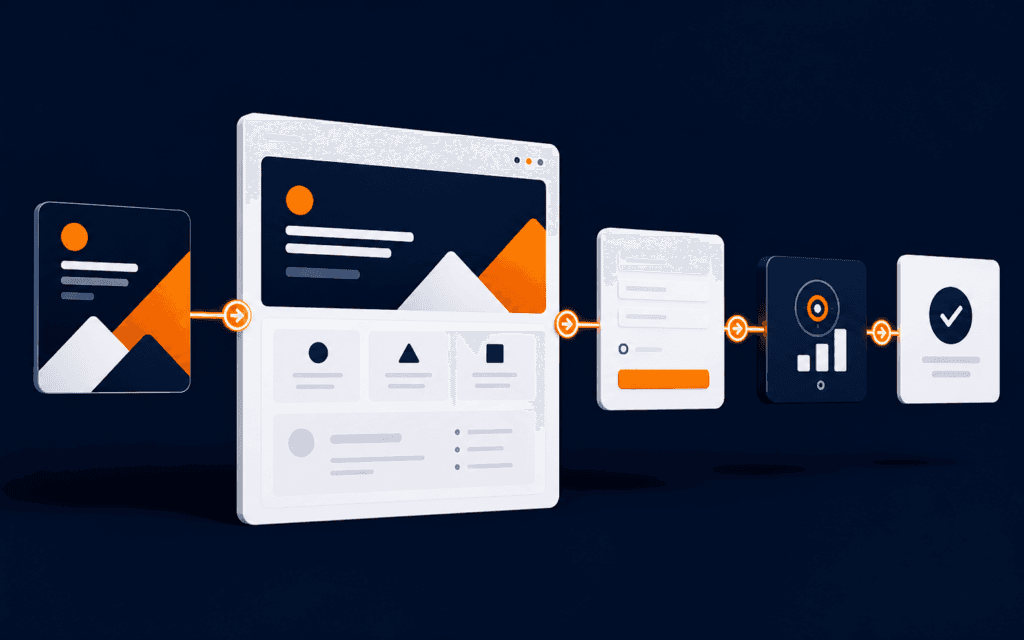
Before publishing, check the landing page headline, first screen, call to action, loading behavior, mobile layout, and form path. A good campaign can fail if the page is confusing or slow. A weak campaign can look worse than it is when the destination page does not match the message.
Use one primary destination for each campaign unless there is a clear reason to split. If every post points to a different page, the team may not learn which message worked. When testing variations, change one important thing at a time, such as channel, headline, or audience. Too many differences make results hard to interpret.
For Rising Edge, a course campaign might naturally link to the Digital Marketing course, while search-focused learning can point to the SEO course. The link should serve the reader, not just fill an internal-link target.
Read Acquisition Reports Carefully
Google Analytics acquisition reporting helps marketers understand where users come from. The traffic acquisition report is useful for reviewing session source and medium. For campaign work, that means the report can help compare channels, campaign links, and traffic sources.
Do not look only at total sessions. Compare source, medium, landing page, engagement, and key actions. If one channel brings traffic that leaves quickly, the message or audience may be weak. If another channel brings fewer visitors but more contact actions, it may deserve more attention.
Also separate campaign traffic from organic discovery. A blog post may gain search impressions because of SEO work, while a campaign may bring direct social or email traffic. Mixing those together can hide what actually happened.
Search Console is useful beside Analytics because it shows search visibility. Google describes the Performance report as including data such as queries, pages, countries, devices, and search appearance. Use it to see whether campaign-supported content also begins earning search impressions.
Build A Weekly Report
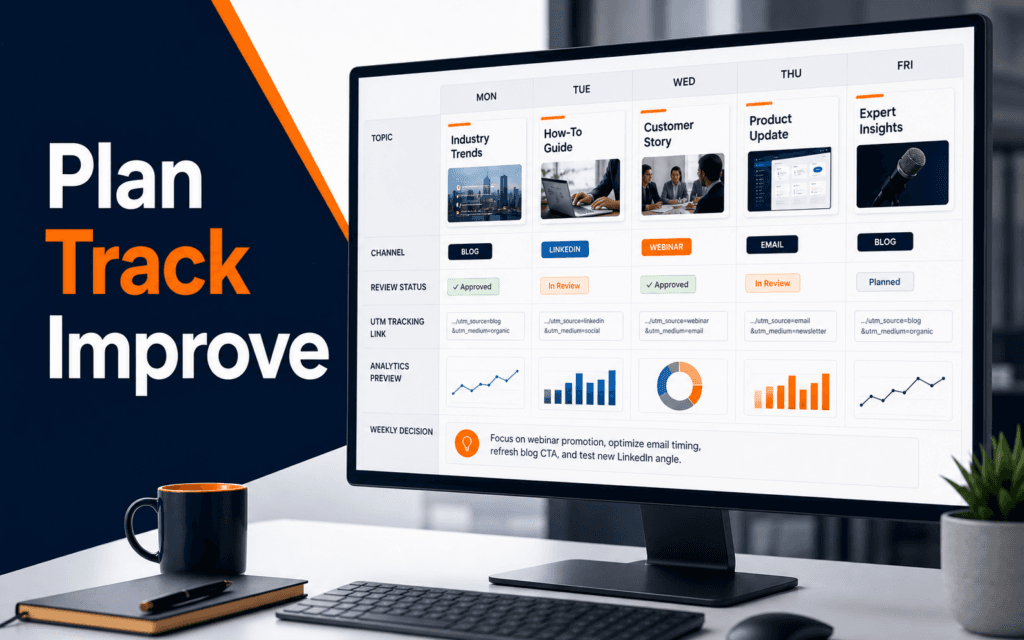
A weekly campaign report should answer three questions: what changed, why it may have changed, and what the team should do next. Keep it short. The best report is one the team will actually read.
Include campaign dates, active channels, landing pages, top source and medium combinations, top pages, key actions, search visibility notes, and next recommendations. Add a notes column for changes such as new creative, new email, page edits, form changes, or budget changes.
Do not report every metric equally. If the campaign goal is enquiries, sessions are context but enquiries are the decision point. If the goal is awareness, impressions and engaged sessions may matter more. If the goal is search growth, queries and landing pages deserve focus.
Use screenshots sparingly. A screenshot can support a point, but it should not replace interpretation. The report should say what the data means for the next campaign action.
Common Tracking Mistakes
The first mistake is publishing before tracking links are ready. Once links are shared, fixing them later may not repair the data. Prepare links before posting.
The second mistake is using inconsistent naming. A clean naming convention is what makes reports readable. Without it, source and medium data can become fragmented.
The third mistake is sending traffic to a generic page. If the campaign message is specific, the landing page should continue that specific promise.
The fourth mistake is reporting numbers without decisions. A campaign report should lead to an action: improve the landing page, change the message, continue the channel, pause the weak variation, or test a new audience.
Beginner Campaign Tracking Project
Choose one course or article. Create two channel messages, one for social and one for email. Build UTM links using the same campaign name. Publish or simulate the campaign. Record the destination page, date, and expected action. After a week, review Analytics acquisition data and Search Console visibility. Write a short report with one decision for the next week.
This project teaches campaign discipline. Tools help, but the professional value is in planning clean links, matching the landing page, reading the report, and choosing the next action with evidence.
For a real institute campaign, the report should connect marketing activity to student intent. A visitor who lands on a course page may need the syllabus, fee details, schedule, admission path, or contact option. If the landing page hides those details, tracking will show traffic but not progress. The fix may be a clearer page section, a stronger call to action, or a better match between the advertisement and the page.
Keep the plan small enough to maintain. A beginner does not need a large dashboard for every campaign. A clean spreadsheet with campaign name, channel, UTM link, landing page, launch date, traffic, engagement, enquiries, and next action is enough to build good habits. Once the habit is stable, dashboards and automation become easier to trust.
Campaign tracking also needs naming discipline. Decide whether campaign names use dates, course names, intake seasons, or offer names, then keep that pattern consistent. If one person writes summer_admissions, another writes Summer Admissions, and a third writes summer-admission, reports become harder to read. Consistent naming is not cosmetic; it protects analysis.
Review the plan before launch, not after the results arrive. Open each tagged link, confirm it loads the intended page, check that the page headline matches the campaign promise, and make sure the form or contact action works. A five-minute prelaunch review can save a week of confusing data.
Finally, keep one owner for the tracking sheet. When several people edit links without coordination, small differences creep into campaign names and channels. One owner can maintain the source of truth, share approved links with the team, and update the report when the campaign changes.
Learners in Gujrat, Punjab, Pakistan can use the practical approach in this article as a small practice standard before choosing the Digital Marketing. Completing and explaining the work gives a clearer signal of subject fit than course terminology by itself.
FAQ
What is a campaign tracking plan?
It is a simple system for naming links, choosing landing pages, measuring source and medium, and reporting what happened after a campaign goes live.
Do beginners need UTM links?
Yes, when they want to compare channels or campaign messages. UTM links make reports easier to interpret when used consistently.
What should a campaign report include?
Include campaign dates, channels, landing pages, source and medium results, key actions, search visibility notes, and one clear next recommendation.
Want to Build Practical Technology Skills?
Explore RisingEdge courses designed to help students learn real skills, build projects, and prepare for career opportunities.