SEO Experiment Log: Hypothesis, Page Cohort, Change, Decision
An SEO experiment log is a dated decision record for one bounded search change. It states the user and search problem, mechanism, affected page cohort, baseline, implementation.


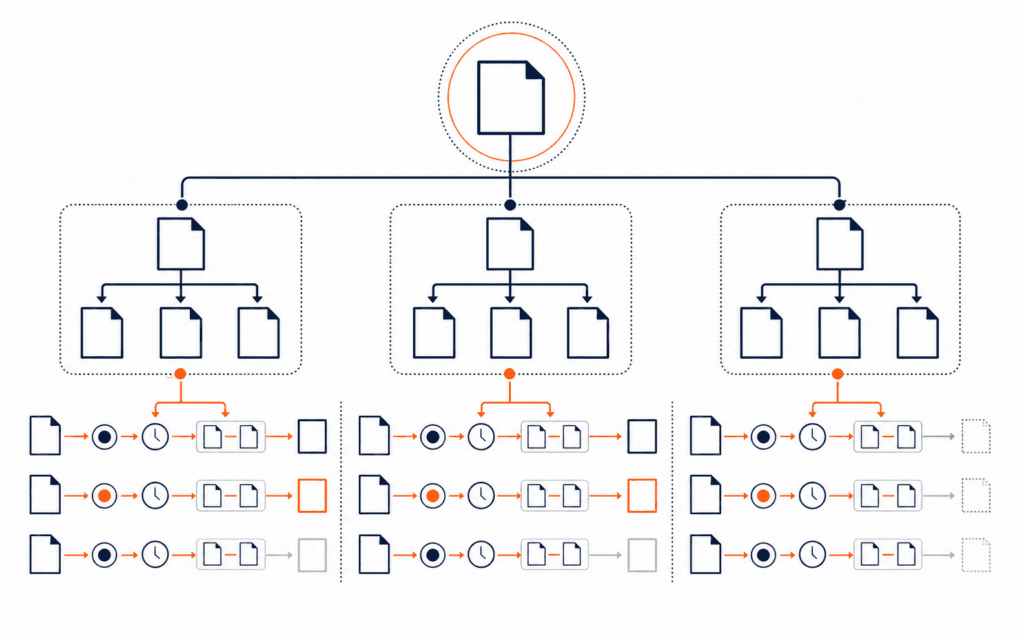
An SEO experiment log is a dated decision record for one bounded search change. It states the user and search problem, mechanism, affected page cohort, baseline, implementation, observation window, confounders, evidence, and decision rule. The aim is not to promise that a ranking will rise. It is to make a change reviewable, reduce bundled guesswork, and preserve what the team learned.
Use the word experiment carefully. Most website teams cannot create a laboratory control over search demand, competitors, crawling, indexing, or ranking systems. A practical log supports a quasi-experimental comparison: it limits the intervention, uses comparable pages or periods where possible, segments evidence, and reports uncertainty instead of claiming causation from one chart.
Write The Search Problem
Start with a page and user outcome, not a tactic. State who searches, what they need, which page should satisfy that need, and what currently prevents discovery or completion. Evidence may include mismatched queries, low click-through rate, thin task coverage, duplicate intent, crawl problems, or repeated user questions.
Separate visibility from on-page behavior. A page can earn impressions but attract few clicks, attract clicks but fail the task, or satisfy current demand while receiving little discovery. Choose the layer this change targets so later evidence is interpreted against the right problem.
Create A Mechanism-Based Hypothesis
Use the form: if we make this specific change for this page cohort, then this observable search or user signal may change because this mechanism improves relevance, discoverability, presentation, or task completion. Include a plausible failure mode.
For example, replacing vague titles with page-specific descriptions may improve qualified clicks for queries already showing the pages, but it may have little effect when the content itself does not satisfy intent. Avoid hypotheses such as add keywords to rank higher; they do not define a bounded implementation or observable mechanism.
Choose A Stable Page Cohort
Group pages that serve similar intent, use the same template, and have enough baseline evidence. A cohort might be course pages, service pages, or a set of guides with a shared snippet problem. Exclude pages under redesign, migration, legal review, or major campaign pressure when those changes would dominate the observation.
Record every included URL and the reason it belongs. Do not add successful pages after results appear or remove weak pages without documenting the rule. If only one page is available, label the work as a tracked change and rely more heavily on segmented before-and-after evidence and limitations.
Select A Comparison
A comparison cohort should resemble the changed group in intent, template, age, demand pattern, and baseline performance while remaining unchanged during the window. It does not need to be identical, but its differences must be stated. Avoid comparing a seasonal admissions page with an evergreen glossary.
When no credible comparison exists, use prior periods, year-over-year context, query groups, devices, or countries cautiously. Google documents that demand and seasonality can affect search traffic. A comparison helps challenge the story; it does not prove that external conditions were equal.
Freeze The Change Scope
List the exact fields and files that may change: title element, main heading, opening answer, internal links, structured data eligibility, content section, image, or template component. Preserve screenshots, rendered HTML, source commit, and URL list before release.
Do not combine metadata, navigation, content expansion, speed work, redirects, and design changes in one record if the goal is to learn which mechanism mattered. If a bundled release is unavoidable, call it a bundled intervention and limit the conclusions to the bundle.
Define Baseline Metrics
Choose signals that match the hypothesis. Search Console can provide impressions, clicks, click-through rate, and average position by page, query, country, and device. Site analytics may show landing-page actions when implementation and consent allow. Record definitions, filters, dates, timezone, and exports.
Do not treat average position as a precise rank tracker or combine unlike query groups without explanation. Preserve counts and rates together. A click-through increase on very low impressions may be unstable, while more impressions can lower the blended rate by exposing the page to broader queries.
Set Guardrails
Define conditions that should stop, revise, or revert the change: loss of critical qualified traffic, indexing errors, broken canonical, missing content, conversion-path failure, accessibility defect, or unexpected template impact. Assign an owner who can act.
Guardrails should protect the page’s task, not only its search metrics. A title that earns more clicks but misrepresents the content is not an improvement. A content change that removes required policy detail should fail even if impressions increase.
Record Implementation Evidence
Log the release timestamp, URLs, source commit or change record, approver, rendered title and canonical, HTTP result, sitemap state, internal links, structured data output where relevant, and screenshots. Verify the public page rather than assuming the deployment succeeded.
Keep credentials, private analytics exports, and customer information out of the log. Store sensitive evidence in authorized systems and reference only safe identifiers. If a cache or deployment delay means pages changed at different times, record the actual public observation for each URL.
Choose An Observation Window
Allow time for crawling, indexing, demand, and sufficient observations, but do not invent a universal number of days. Set a first health check for technical failures, a planned review window based on the site’s normal data volume, and a later confirmation when the decision is material.
Avoid checking continuously until a favorable day appears. Preserve the planned dates and extend them only with a recorded reason, such as delayed indexing or a known outage. An extension changes the protocol and should remain visible.
Track Confounders
Record site releases, outages, migrations, campaigns, holidays, media coverage, competitor events, major search changes, tracking modifications, and seasonality that could affect the cohort. Analytics annotations or a shared release calendar can preserve this context.
Segment the evidence when a confounder affects only a device, country, query class, or page subset. Do not erase a period merely because it complicates the result. Explain whether the evidence remains useful, needs a narrower analysis, or cannot support a decision.
Verify Crawling And Indexing State
Before interpreting performance, confirm that the changed URLs return the intended status, remain crawlable, declare the expected canonical, appear in the correct sitemap when applicable, and render the changed content publicly. Use Search Console URL Inspection as one source of evidence, while recognizing that its indexed view may lag a fresh release.
Separate implementation failure from experiment outcome. If half the cohort retained the old title through a template bug, the intervention was not delivered consistently. Record affected URLs, correct the release, and restart or narrow the observation window instead of averaging changed and unchanged pages together.
Review Search Appearance Quality
Inspect how representative results appear for intended queries, but do not assume Google will always use the supplied title or description. Check whether the visible result accurately describes the page, distinguishes it from neighboring pages, and sets an expectation the landing content fulfills.
Capture examples with date, query, device context, and location limitations. Search-result appearance can vary, so screenshots are observations rather than fixed assets. Use them to diagnose mismatch and duplication, not as proof that every searcher saw the same result.
Protect Against Selection Bias
Predefine the cohort, filters, exclusions, metrics, and decision dates. Preserve pages that perform poorly unless they meet a written exclusion rule. Do not search through dozens of segments and report only the one that improved without labeling the analysis as exploratory.
When exploratory analysis reveals a plausible pattern, convert it into the hypothesis for a later tracked change. This separates learning from confirmation. It also prevents a team from repeatedly changing the question until normal volatility resembles a successful test.
Analyze By Page And Query
Begin with the cohort aggregate, then inspect distribution. One high-volume page can hide declines across the rest. Review changed and comparison pages, branded and non-branded queries when distinguishable, intended and unintended query themes, devices, and countries relevant to the audience.
Look for mechanism-consistent patterns. A snippet revision should first affect click behavior on existing impressions; a useful new section may broaden relevant query coverage after crawling and indexing. Do not claim that every movement resulted from the change.
Make A Keep, Revise, Revert, Or Inconclusive Decision
Write the decision rule before results. Keep when the intended signal improves without guardrail failure and limitations are acceptable. Revise when implementation or scope was incomplete. Revert when the task or critical signal worsens. Mark inconclusive when volume, confounding, or timing prevents a defensible choice.
An inconclusive result is useful when it prevents false certainty. Record the next action: gather more observations, narrow the cohort, improve measurement, test the mechanism elsewhere, or stop investing. Never relabel an inconclusive result as a win because the team prefers the change.
Turn Learning Into Site Memory
Store the final log with URL cohort, hypothesis, change, dates, evidence summary, decision, limitations, and owner. Link it from future briefs and audits. The SEO content decay audit can identify pages that need a new question; the experiment log governs the resulting intervention.
A Search Engine Optimization course can provide structured practice with technical and content decisions. Production work still requires site-specific access, privacy controls, evidence definitions, implementation verification, and honest uncertainty.
Prospective students in Gujrat, Punjab, Pakistan can take the practical approach in this article into a conversation about the Search Engine Optimization (SEO). It creates specific questions about practice, feedback, testing, and project completion while avoiding assumptions about a particular batch.
FAQ
Is an SEO experiment a controlled scientific experiment?
Usually not. Search teams rarely control demand, competitors, crawling, or ranking systems. Use bounded cohorts and comparisons, then report uncertainty.
How long should an SEO test run?
Set the window from normal crawl, indexing, seasonality, and data volume. Use a health check, planned review, and documented extension rule rather than a universal duration.
What if rankings improve but conversions fall?
Treat it as a guardrail failure or intent mismatch. Inspect query mix, snippet promise, landing-page task, measurement, and affected segments before deciding.
Want to Build Practical Technology Skills?
Explore RisingEdge courses designed to help students learn real skills, build projects, and prepare for career opportunities.